
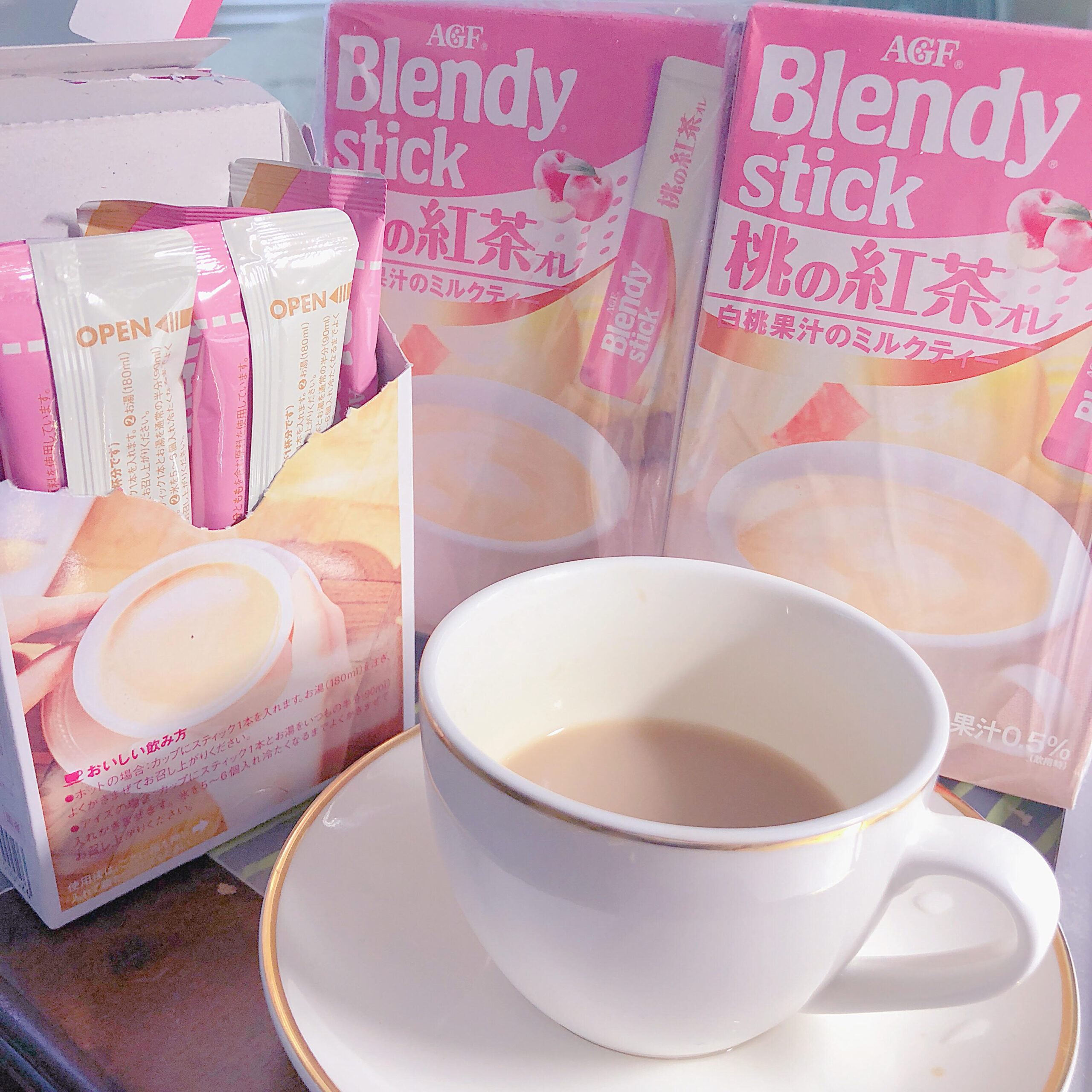
The hinges of time turn in the quietest hours of midnight, without ever so much as a creak to startle the roosting birds. When the deep verdure of late August wilts after a sudden downpour, and the clamorous, feverish drone of cicadas dwindles into an intermittent, desolate murmur rising from dusk-laden grass, we sense that the grand breath of heaven and earth has shifted. The summer heat has not wholly ebbed, yet our bones and skin discern, long before the trees do, a sharp edge—faint, elusive, but inexorable. It is the vanguard of the westerly wind, the sigh of dew brushing past eaves before turning to frost.
On just such a morning, when dawn breaks pale and a cool, bluish light gathers upon the sill, the body hungers instinctively for warmth. Not the stinging chill of an iced glass from high summer, nor the roiling, smothering heat of a winter kettle, but something gentle and luminous—a solace steeped in wild earth and the lingering glow of sun-baked leaves.
This is the first cup of black tea in early autumn. It is far more than a private tryst between palate and warmth; it is an ancient rite of passage through time, the soul’s quiet armistice with the swelling autumn wind within an empty, sun-drenched courtyard.
Autumn never arrives with a sudden roar. It comes like a well-bred stranger, first brushing a faint, tender yellow across the crest of the old locust tree outside the gate, then breathing a gossamer veil of mist onto the morning windowpane. The dawn breaks half an hour later than in summer. Pushing open the north-facing casement, the incoming air is no longer the thick, sun-scorched draught of yesterday, but carries a crispness so clean it feels almost translucent. Along the broad banana leaves in the courtyard, scorched brown edges have begun to curl—scars left behind by the midsummer sun. The moss upon the flagstones has deepened to the shade of old velvet soaked through with night dew. In the air lingers an indefinable fragrance: the faintly fermented sweetness of ripening fruit poised to fall, laced with the bitter dryness of withered stalks torn by the wind and the flinty coolness of distant mountains contracting in the chill.
The vast, unruly pomp of summer is dismantled in silence. The excessive passions and feverish pulses that once coursed through surging oceans of foliage ebb away like a tide, leaving behind rugged shorelines and a lucid emptiness. The human frame is an unfailingly honest vessel. When fingertips graze the icy grain of a pearwood table, and linen robes can no longer fend off the morning breeze, a hunger resembling nostalgia stirs from within. It is a longing for primordial vitality—a thirst for an amber-red brew that can awaken viscera contracted by the turning year, and measure anew this widening, deepening world.
At this juncture, nothing under heaven carries the gravity of early autumn quite like black tea. Green tea is too tender, too ethereal, burdened still with the damp chill of Jiangnan’s spring rains and raw vegetative youth; it belongs to the sweltering afternoons of July, coaxing a clarifying sweat beneath the cicadas' din—the restlessness of youth. White tea is too austere, too pale, like snowdrifts in an abandoned valley or a cold well beneath the moon, casting an unnecessary chill of desolation upon an early autumn heart. Pu-erh, by contrast, is too heavy, steeped in dust and the brooding musk of forest loam, best reserved for deep midwinter when blizzards bar the door and a brazier glows red. Black tea alone is both summer’s true child and autumn’s elder brother. Conceived in the fierce union of radiant sun and fertile earth, tempered by fire and smoke, it tightens the lavish sprawl of green hills into neat, dark, wiry cords. Within its sinews sleep all the ochres and golds of sunsets past, mellowed inside an earthen jar into a steady, comforting grace. It waits patiently upon the threshold of autumn, asking only a stream of boiling water to resurrect the departed summer in its most splendid, gentle guise.
Long before water meets leaf, the awakening of the vessels is its own quiet prelude. Half the enchantment of tea resides in its ware. In summer, one seeks the sheer brilliance of clear glass, watching tender shoots drift like spears and pennants—a diversion for the eye. But autumn tea demands the sanctuary of an austere, sober clay or porcelain. From a camphorwood shelf, I take down an old Dehua gaiwan. Its body is smooth as mutton-fat jade, its glaze holding a reserved luminescence untouched by painted blossoms or birds, save for a worn rim of gilded brown softened by the hands of passing years. Beside it rests an eggshell porcelain cup, paper-thin; held against the slanting morning beam, it reveals the faint pink silhouette of one's fingers beneath. Black tea understands the aloof elegance of white porcelain, while white porcelain best honors the fiery heart of black tea. Their meeting is like fresh snow draping crimson plum blossoms—arresting, dignified, and absolute.
Water is the herald of this rite of resurrection. The ancients praised water that was soft, slow, and sweetly clear. In this city dwelling, absent though Mount Hui’s springs or Hupao’s brooks may be, one still requires sweet well-water settled for three days in an unglazed earthenware crock. One must forgo the harsh screech of an electric kettle; I prefer a coarse clay brazier stoked with olive-pit charcoal, casting a silent, pale blue flame beneath an antique bronze kettle with an overhead handle. The boiling of water is a retreat inward for the ear. At first, the water murmurs inside the bronze belly—a faint whisper like earthworms singing underground, a breath of wind stirring a distant paddock of rice. Gradually, bubbles rise from the bottom like crab eyes, the sound thickening into what the old masters called the rush of wind through pine and cedar rain. Su Dongpo’s verse of "pines murmuring over a bamboo stove" captures this very essence. As embers flush the whitewashed wall with vermilion, a straight plume of chalk-white steam billows from the spout, burning a warm, fragrant breach through the quiet chill of the room.
The vapor rises into the cool air, coiling, shifting, and dispersing like the tangible spirit of autumn itself. It carries a petrichor sweetness, condensing into beads along the windowpane until their weight drags them down in translucent rivulets, like tears on cold glass. At the second boil, strings of pearl-like bubbles surge upward, the sound turning buoyant and taut. This is the moment when water reaches its zenith of strength and vigor—a heartbeat more and it grows tired; a breath less, and it remains unripe. At this crest of tumbling waves, I lift the kettle from the flame, allowing the commotion to settle for three quiet breaths until the temperature drops just shy of boiling, around ninety-four degrees Celsius. This is the exact warmth black tea craves: hot enough to breach the dense aromatics sealed deep within the withered leaves, yet gentle enough to spare the delicate souls of its floral and fruity top notes.
Unstopping the cork of the blue-and-white porcelain caddy, a soft pop unseals months of secluded time. Here lies a handful of Zhengshan Xiaozhong—or perhaps an ancient-tree red plucked from the heights of the Gaoligong range. The leaves are wiry, heavy as iron ore, glossy and dark, with a purplish metallic sheen in the morning light. Flecks of golden tips peek through, like unquenched embers on a desolate autumn night. Poured onto a bamboo tea scoop, their scent arrives before a single drop of water is introduced. This is no frivolous blossom scent, but a rich, layered warmth seasoned by woodsmoke and time: the top note holds the resinous smokiness of Masson pine dried over slow embers, dry as pine needles scattered over deep woodland moss; the middle is dense with dried longan and black dates, sweet as preserved fruit; while beneath lies a lingering wildness, like a draft of mountain air rushing through a ravine of wild mint.
It is a compact forged between soil, mist, rain, and charcoal fire across seasons. The hands that plucked these shoots were damp with the sap of early summer showers; the faces that watched the drying beds were flushed by glowing embers in the midnight chill. Now, all that toil and seasonal migration rests condensed into a palmful of dark, curled tendrils. Dropped into the bowl, the dry leaves strike the glazed walls with a hollow clatter—the sound of brittle plant bones meeting baked clay, bearing the crisp weight of destiny. Raising the bronze kettle, my wrist stays steady as a deliberate stream cascades from on high.
The reaction is instantaneous and dramatic. The moment the steaming stream hits, the dormant leaves tumble, collide, and unfurl in the turbulence. Parched cells drink down the boiling liquor, crackling in tiny, almost imperceptible bursts. The wiry black strands swell visibly before the eye, shedding their brittle rigor for supple grace, shifting from charcoal to deep umber and russet, until they regain the posture they held when swaying on sunlit branches. Steam billows outward, enfolding the tea table. The aroma is no longer a latent murmur; it surges like a tide. It is the scent of pine smoke and caramelized nectar fused in heat—the herbal soul of mountain forests evaporated under a thousand suns. The scent carries an almost physical density, rushing up the nostrils to clear the mind of autumnal gloom, coaxing every pore to open in quiet greeting.
Resting the lid upon the gaiwan, I wait for a few breaths. Through the translucent white porcelain, one catches the faint glow of liquor blushing deep ruby within. Then comes the pour. Finger bracing the knob, the bowl tilts, sending a rich, amber ribbon sliding cleanly from the lip into the fairness pitcher. What an astonishing hue! It is not merely red. Against the white porcelain, it gleams like liquid carnelian, like melted deep-sea amber, like that richest blend of crimson and burnished gold that stains the horizon just before twilight surrenders to dusk. As the cup fills, morning light pierces the liquid, endowing it with a pulse of its own. Most striking of all is the blazing golden ring clinging to the rim of the liquor—a marvel born of the precise communion between theaflavins and thearubigins. That luminous ruby core, held fast within a circle of gold, resembles a miniature sun captured within a porcelain chalice, shimmering with a serene, almost sacred aura. The bleakness of early autumn retreats before this bowl of warm molten gold.
From the pitcher, the liquor trickles into the delicate cup. Cradling it in both palms, the heat pressing against the fingertips sits right at the threshold of tolerance—a prickling warmth that invites you closer rather than warding you off. Hands chilled by the autumn dawn are instantly claimed by this dense, continuous current of heat, traveling through the palms and up the forearms, dispelling the cold damp lodged in the joints. Before sipping, I lift the rim to my nose and inhale deeply. The steam bathes my eyes in damp warmth, blurring the wooden table and the bare branches outside. It is a baptism of vapor and perfume: sweet longan, pine pitch, toasted sugar, and the pectin-rich skin of ripe apples, woven in distinct, shifting layers across each breath.
At last, lips meet the scalding, yielding liquor. The first sip must not be gulped, but taken with a light, bird-like draw, pulling a thin braid of air alongside the tea. In an instant, the world of the palate is dismantled and remade. First comes the heat, searing yet unhurried, like a bolt of crimson velvet unfolding across the tongue with heavy, supple grace. The liquor possesses an unexpected viscosity, less like water than a syrup of wild honey or rice cream, enfolding the palate, gums, and cheeks. Then the flavors advance in sequence. There is none of green tea’s sharp bite, nor the wild, high-pitched perfumes of oolong. It is grounded and mellow, bearing a soft, fruit-like acidity softened by maturation—a lively note akin to the fruit acid of an aged vintage, coaxing saliva into an immediate, sweet bloom.
Following closely is the chorus of smoke and molasses. It is the deep woodiness born of high-altitude pines drinking in rain and earth for decades, yielded now to charcoal embers and married to the caramelized polyphenols of the leaf. Together they mount a bold, sovereign sweetness that commands the throat. As the liquor glides down the gullet, the flood on the tongue begins to recede, and the true wonder takes hold in the depths of the throat. All that density and weight transforms into an airy, expansive sweetness—a lingering finish that wells up like a cool spring after an autumn shower. A parched throat is drenched in honeyed clarity; even the draught of cold autumn air drawn in afterward tastes crystalline and sweet at the root of the tongue. It is the marrow of stone, the respiration of pine groves, the pent-up fury of summer suns now transformed into a mild, restorative force opening gently within the belly.
A small, steady flame takes root in the stomach. It does not scorch; it radiates like low winter sunlight resting against a wall of aged brick, shedding an enduring, tranquil heat. This warmth rides the bloodstream toward the extremities: stiff shoulders loosen, cold toes thaw, and eyes strained by dry wind grow clear and moist once more. That single draught functions like a long-overdue full stop, sealing away the frantic, exhausting heat of summer. At the same time, it is an em-dash, opening onto the coming cold of late autumn and winter with a serene, unshakable shield.
Seated before the tea board, gazing into that pool of dark ruby, the mind drifts inevitably away from the room, borne upon a wisp of pine smoke into distant corridors of history. Behind every leaf of black tea lies an epic of geography, endurance, and cultural convergence. Seeking the source of this red liquor, one’s thoughts travel to the rugged folds of the Wuyi Mountains in northern Fujian—to Tongmu Pass. It is an untouched enclave of mid-subtropical primary forest, girdled by cloud-capped peaks, where wild bamboo groves and firs flourish above crystal streams carving through moss-grown granite.
Four centuries ago, during the turbulent transition between the Ming and Qing dynasties, perhaps on an autumn morning as chilled as this one, a detachment of soldiers marched across the peaks and billeted in a local tea workshop. The rough troops commandeered the fresh leaves spread out for withering, using them as bedding for their weary bones. When the soldiers finally broke camp, the bruised leaves lay crushed, their juices bruised and fermenting in the damp heat of huddled bodies, turning an alarming crimson and giving off a pungent, wine-sour smell. Desperate to salvage a year’s ruined livelihood, the tea masters turned to the only fuel abundant in the mountains: resinous Masson pine. In their multi-tiered drying sheds, they lit roaring braziers, curing the spoiled leaves day and night beneath rolling plumes of heavy woodsmoke. The blackened leaves, soaked in turpentine and pine pitch, lost their subtle orchid fragrance, emerging dark as coal and smelling of timber fires. The farmers assumed these tainted goods would find buyers only among the poorest draymen or barbarian traders across the sea; they could never have foreseen that once these smoke-cured leaves reached the sodden wharves of London, they would ignite a sensory revolution across the Western world.
In eighteenth-century England, the Thames lay choked in frigid, sulfurous fog. As the engines of the Industrial Revolution ground into motion, rain-slicked cobbles and perpetual dampness infected lord and laborer alike with rheumatism and melancholia. In an island starved of sun, this dark, aromatic gift from the mountains of Cathay became a key unlocking an empire’s longing for light and comfort. The British marveled at its resilience: unlike the fragile green leaf, it survived the six-month oceanic voyage across treacherous trade winds without rotting. It embraced the creaminess of milk and the sweetness of sugar. In an era innocent of central heating, a scalding cup of sweetened tea was the coal miner’s solitary salvation against the damp pit, even as it became the aristocratic lady’s instrument of grace through long, rain-dimmed afternoons. Catherine of Braganza brought caskets of it as her royal dowry, transforming the brew into the height of courtly refinement; Dutch Indiamen fired upon rivals in roaring seas for rights to its trade; and chests of it cast into Boston Harbor lit the powder keg of an American revolution. The triumphs, follies, and sea-battles of an entire age wound themselves inextricably around the fermentation of this single leaf.
Yet here, in the stillness of this morning, that sweeping chronicle of sail and cannon, of trade routes and treaties, has been distilled of all violence. It settles quietly into this small bowl of steaming water, resting at ninety degrees. It sits within its white porcelain cup, undisturbed. The masts splintered in gales long forgotten, the anonymous farmers who toiled over smoke-houses in Tongmu, the chimney sweeps clutching their cloaks in the London drizzle—their sighs, their yearning, and their brief warmth seem to have dissolved entirely into this radiant pool of amber, coursing down my throat to warm my blood. To drink tea is to partake in a secret communion with human solitude across the ages. Across disparate centuries and disparate shores, we raise the very same cup of pine-smoked solace against the chill of a turning world.
The porcelain in my hand has grown warm, and the tea aroma weaves a soft canopy through the room, walling out the jagged clamor of the morning. I turn toward the window. Autumn is a grand theater staging a quiet, perfectly disciplined retreat. The vegetation of summer was voracious, drinking in storm and sun with frantic greed, sprawling and crowding with an almost feral urgency. But the flora of autumn behaves like sages retiring from the world, divesting themselves of finery and drawing their vitality inward. In the northwest corner of the yard, the leaves of the old pomegranate tree have turned from bottle green to a translucent honey-yellow. Pomegranates once hidden in dense foliage now hang exposed: rough-rinded, speckled with russet scars, split along their seams by the unyielding sun. Theirs is the beauty of weathered fulfillment—a muted, stoic crimson, like the sun-cured cheeks of an aged mountaineer.
An azure-winged magpie cuts across the pale grey sky, the beat of its wings startlingly loud in the vast, empty air. It alights upon a bare bough, its bright eye darting warily before it lunges at a split pomegranate, tearing at the garnet seeds within. With a dry, triumphant chitter, it launches itself back toward the bleaching horizon. That solitary call punctures the silence like a needle through silk, leaving the autumn sky wider, higher, and more remote. In the lane below, passersby have traded linen for wool. Their strides are no longer the loose, hurried steps of August, but deliberate and gathered. A cyclist passes with a silk scarf fluttering at her throat like a tiny pennant; an elderly walker strolls with hands clasped behind him, his shoes crunching crisply on dry plane leaves that have begun to litter the pavement.
This is the cadence of early autumn: a world taking its leave without tears, withering with dignity and order. Nature instructs us in the art of growing old without disgrace. It sheds the superfluous, storing its sweetness in seeds, laying bare its timber to the coming frost, and sinking its center of gravity from vanity into the soil. I lower my gaze once more to the cup. How mirror-like is the tea’s hue to the world beyond the glass! Its deep garnet, its warm umber, its rim of gold—these are the distillations of autumn itself: the amber flesh of persimmons, the burning mantle of hillside maples, the bruised purple of dusk pressed into an elixir. Perhaps we crave black tea at this hour because the spirit intuitively seeks harmony with the season’s inward turn. Drinking this liquor, the flesh attunes itself to the slowing pulse of the earth. In the heat of summer, we were restless interlopers fighting the climate with artificial cold; but with this cup, we step back into the continuum, making peace with dormancy and the quiet, coming frost.
I pour the second steep. This time, the water is hotter, the infusion shorter. If the first cup was an overture showcasing the tea’s outward splendor, this second cup is the heart of the movement, where its sinew and marrow are laid bare. As the boiling arc enters the bowl, pine smoke dominates the air. It triggers an ancient olfactory memory. Across the vast arch of human evolution, no scent has been etched so indelibly into our marrow as the smoke of burning wood. In the Pleistocene dusk, when predators stalked the margins of freezing steppes and hominids shivered in damp limestone grottos, our solitary salvation was the campfire kept burning at the cave mouth. That fragrant plume signaled warmth, shared meat, the retreat of claws, and the sanctuary of the tribe. Wherever that smoke rose, there was home.
Modernity insulates us with prestressed concrete, climate control, and neon, persuading us that the primeval wilderness has been conquered. Yet whenever the year swings toward the cold and darkness falls early, the ancient troglodyte sleeping inside our DNA stirs awake in the wind, tasting an old, unnamable unease. The woodsmoke carried by this tea is a talisman that reawakens an primal security. It has nothing to do with the cheap, cloying essences of modern perfumery; it is the wild pitch of living wood burned down to embers, absorbed by tea shoots in old mountain lofts until the scent has penetrated their very pith. Inhaling it, one envisions a timber hut deep in the hills. Outside, sleet rattles against shingles and gale-force winds tear through firs; inside, upon a stone hearth, dried pine boughs snap and crackle, their flames licking a cast-iron kettle that bubbles patiently, the cabin smelling of resin, toasted grain, and seasoned soot. It is the most impregnable fortress a mortal can raise against the void. Savoring this smoke, an immovable tranquility settles over the spirit. The anxieties of modern competition, the hollow demands of status, and the dread of unwritten futures dissolve before this ancient scent. What deeper grace does a human need than a dry roof against a rising wind, a singing kettle, and a hot cup to warm cold knuckles and sweeten a dry throat? Joy is never conquered through conquest; it is confirmed by gathering oneself home.
By the fourth and fifth infusions, the cadence of the morning slows of its own accord. The color softens from an arterial crimson into an immaculate, luminous topaz. The bold front of pine smoke sinks into the background, allowing the hidden sweetness and floral notes of the leaf to step forward, quiet and unadorned. This is black tea’s most seductive phase: no longer demanding attention through smoke and heat, but sustaining you with steady, effortless sweetness. Each swallow awakens a spring beneath the tongue scented with wild aster and late-blooming hibiscus, transforming the mouth into an autumn garden. And here, one enters into total solitude.
Our days are caught in a vast conspiracy of noise: endless feeds, algorithms, and frantic messages fracturing the self into shards. We exist in a perpetual posture of reply, performing our worth, terrified of fading from notice. Yet at this tea table, in the early autumn hush, the audience has vanished. Before the cup, there is neither room for vanity nor need for artifice. Boiling water is mercilessly honest; it reveals the character of the leaf. Porcelain is honest, recording every tremor of the pour. The palate is brutally honest, unmasking the thirst of the body and the neglect of the soul. Solitude here is not estrangement, much less punishment; it is the necessary workshop where the spirit cleanses its wear and tear. Consider the leaf: had it not undergone withering, bruising, sweating in dark rooms, roasting in iron pans, and smoking over embers, it would have lived and died an ordinary slip of green, rotting anonymously into the forest loam. Only through tearing and fire did it win this iron-dark poise, earning the right to rise again in boiling water and cast its halo of gold.
Stumbling through this world, which of us is not a leaf undergoing fermentation? The griefs, betrayals, and regrets of youth—blows that once struck like squalls, threatening total ruin—are revealed across the valley of time as our own necessary bruising and baking. They shattered our callowness, burned away our vanity, and transformed bitter sap into the quiet luster and bottomless sweetness of mature life. Standing in the early autumn of our days, we understand that autumn’s majesty lies neither in spring’s bloom nor summer’s green, but in an expansive equanimity that accepts destiny without rancor. One forgives past injuries, knowing the offenders were merely dry leaves tossed about by their own storms; one accepts one’s limits, sleeping soundly through the death of unfeasible ambitions; one learns to keep silence among crowds and relish solitude in the shadows. The heart becomes like a white porcelain bowl: whether fate pours boiling water or winter sleet upon it, it receives the flood without flinching, filtering the scald into a rich, sweet brew offered back to the self and to time.
By the seventh and eighth rounds, the tea has thinned to the translucence of autumn water. Yet this is no ending, but an arrival at that higher state of clean sweetness where tea and water gently untangle. Tannins and caffeine have surrendered themselves, leaving only traces of soluble sugars behind. The water tastes gossamer-soft, sliding down like dawn dew collected in a hollow bamboo culm. I set the lid aside and lay down the pitcher, boiling no more water. The morning’s rite draws to a close. Using bamboo tongs, I lift several spent leaves from the bowl and lay them out upon a clean white towel. It is an image of profound dignity. The leaves, shriveled and blackened like iron only hours before, now rest unfurled in their original, supple form: glistening in shades of polished bronze and ripe chestnut.
Stroking them with a fingertip, they are whole and thick, not crushed sludge, their serrated edges intact and their veins mapped out like river basins. Even after enduring fire and eight drownings in boiling water, their structure retains its quiet majesty, refusing to disintegrate into mush. They have given everything. Every amino acid harvested in spring, every polyphenol ripened through summer, every note of perfume endowed by mountain cloud—all of it dissolved freely into the liquor to warm a stranger on a chilly morning. Resting upon the white linen, luminous and peaceful, they have fulfilled the highest destiny a fallen leaf could imagine. Soon, I will carry them out and bury them beneath the roots of the dormant orchid in the yard. Through the hard winter, they will crumble into dark humus, joining stone, decayed thatch, and melting snow, until the southern winds of March call them upward once more to dye the orchid's tips in tender chartreuse. Nothing is ever lost; nature merely changes garments. From solar photons to spring bud; from drying hearth to ocean brig; from kettle’s steam to warmth in my veins; and from spent leaf back to loam—existence is an immense, tender conservation of energy. In the presence of such a tea, decay ceases to terrify. It is merely a bend in the great river. If we, like this leaf, can drink our share of light, hold fast to our backbone in times of fire, and yield our sweetness when seasoned by time, then whatever silence awaits our exit will be a homecoming without regret.
The morning sun finally burns through the thin stratum of autumn cloud, casting a slanting pillar of gold across the cedar table. Specks of dust wander through the beam, drifting languidly like microscopic dancers suspended in time. The shade of the room is cleaved by light, filling the air with the dry, clean scent of sun-warmed wood. A solitary sip remains in the fairness pitcher. It is no longer hot, having cooled to the temperature of living flesh. This is the tea’s true soul after its thermal vigor has passed. Lifting the pitcher, I drink down this last draught. Stripped of steam, its naked essence is laid bare, tasting sweeter than when piping hot: a subtle nectar like mountain honey dissolved in cold spring-water, clinging to the palate and leaving a cool, fragrant shadow in the throat that refuses to fade.
Empty cup, finished tea. I turn the delicate bowl upside down on the tray. A faint amber ring clings to the porcelain basin. Bringing it close, its cold scent is peerless—without steam, the fragrance has crystallized into the perfume of aged sandalwood and cold plum blossoms: haughty, detached, yet holding an almost unbearable tenderness. Standing up, I stretch my limbs. The body feels light, the viscera warmed, the eyes washed clean. The frail frame that shivered at dawn has been fortified with life. It is as if a transparent, supple armor has formed over the skin, ample protection against whatever frost the coming season might muster.
Stepping out into the yard, the wind continues its steady pace, cooler now than at sunrise. A dry leaf from the locust tree spirals down, coming to rest upon my shoulder. I do not brush it away; I let it linger like a modest medal conferred by the turning year. Out in the avenue, the city has awakened in earnest: the clatter of the morning stalls, horns, vendors' calls rolling back like an encroaching tide. The mundane machinery of the world resumes. Labor awaits, unforeseen squalls are brewing, and life will never grow simpler merely because the season has turned fair. Yet what does it matter? On this first morning of autumn, I have already taken this cup. I have conversed with the old mountains, sheltered beneath the pine smoke, witnessed a leaf meet its fate with unyielding grace, and dropped anchor inside my own soul amid the boiling water. Armed with this lingering warmth within, and this crystalline scent upon the tongue, it is enough to cross the barren wastes of autumn wind and stride unafraid toward the white depths of winter. The skies are vast, the waters run long. Let the frost come; let the deep cold gather. Let us drink down this quiet joy of the mortal world, to the very last drop.
岁月的门轴总是在人未曾留意的子夜悄然转动,甚至不曾发出半点惊动宿鸟的微响。当八月的最后一片浓荫在骤雨后显出疲态,当蝉鸣从盛夏那种泼辣的、近乎癫狂的喧嚣,骤然收束成黄昏草丛里断续而苍凉的低吟,我们便知道,天地间某种浩大的元气已然回转。暑气未曾完全褪尽,但骨骼与皮肤却先于草木感知到了一丝极细、极轻、却不可逆转的锋芒——那是西风的信使,是露水在子夜结晶前掠过屋檐的叹息。
正是在这样一个晨光微熹、窗台泛起淡青色微凉的清晨,人会本能地渴望一种温度。不是盛夏里那杯浮着碎冰、激越逼人的冷冽,亦非寒冬时那锅沸反盈天、浓烈沉郁的滚烫,而是一种温存的、明亮的、带着山野泥土与阳光焙烤余温的慰藉。
这便是初秋的第一杯红茶。它不仅是一场口腹与温度的私密邂逅,更是一场关于光阴迁徙的古老仪式,是灵魂在喧嚣散尽的空庭里,与浩荡秋风达成的第一声和解。
秋天从来不是轰然而至的。它像一个极有教养的远客,先是在门外那棵老槐树的梢头留下一抹极淡的枯黄,接着又在清晨的玻璃窗上呵出一层薄如蝉翼的雾气。
天亮得比夏天迟了半个时辰。推开北向的木窗,迎面扑来的空气不再是那种被日光炙烤得粘稠沉重的热浪,而带有一种近乎透明的脆感。庭院里的芭蕉叶边缘卷起了焦褐的细边,那是盛夏留下的焦灼伤痕;石阶上的青苔颜色变深了,像一块浸饱了冷夜露水的旧绒布。空气里浮动着一种难以名状的气息——那是成熟果实即将坠落前散发的微酵甜香,夹杂着干枯草茎被风撕裂后的清苦,以及远山岩石在冷风中收缩的干爽。
夏天的盛大与繁复,在此刻被悄然拆卸。那些曾在绿浪翻滚的林木间游荡的、过于丰沛的情感与燥热,如同潮水般退去,留下了嶙峋的岸石与清朗的虚空。
人的身体是极其诚实的容器。当指尖触碰到冰凉的梨花木桌面,当单薄的棉麻衣衫第一次无法完全阻挡晨风的渗透,心底便会升腾起一种近乎乡愁的饥渴。那是一种对生命元气的向往,需要一种带有红色光晕的液体,去唤醒那因节序更替而微微蜷缩的脏腑,去重新丈量这日益深沉的天地。
此时,除了红茶,世间别无他物能承载这份初秋的郑重。
绿茶太嫩,太轻,带着江南三月烟雨的湿凉与未脱的草木青涩,适合在夏日炎炎的午后,就着蝉声,喝出一身清透的汗意,那是属于青春的浮浪与躁动;白茶太清,太素,如同空山积雪或月下寒泉,初秋若饮之,未免显得心境过于孤寂萧索;普洱又太重,太沉,浸透了苍茫的时间尘埃与腐殖质的幽深,那是深冬大雪封门、炉火通红时才宜细细拆解的沧桑。
唯有红茶,是夏天的赤子,又是秋天的长兄。它诞生于炽烈阳光与沃土的交媾,经由烈火与浓烟的淬炼,将漫山遍野的繁茂与热烈收拢成一寸寸乌黑紧结的条索。它内里蕴藏着太阳沉落前所有的金黄与赭红,却在岁月的陶罐里沉淀出一种温润持重的品格。它在初秋的门槛上等候多时,只待一注滚水,便能将那个死去的夏天的魂魄,以最绚烂、最温柔的方式重新唤醒。
在注水之前,器皿的苏醒本身就是一段漫长而幽微的前奏。
茶事之妙,半在器具。夏日饮茶,贪图玻璃盏的晶莹剔透,看绿芽在水中如旗如枪般浮沉,那是视觉的戏法;而初秋的红茶,必须托庇于沉静敦厚的胎骨。
我从高处的樟木架上取下一只白瓷盖碗。那是一只德化窑的老白瓷,胎体温润如凝脂,釉面泛着羊脂玉般内敛的光泽,没有繁复的花鸟虫鱼,唯有一圈极淡的、因岁月抚摸而微微磨损的酱色描金沿口。又取出一只薄胎白瓷杯,其薄如纸,对着清晨斜射进来的天光,能清晰地看见自己指骨的淡红剪影。
红茶最懂白瓷的冷艳,白瓷最衬红茶的烈性。它们相遇,恰如素雪覆红梅,有一种惊心动魄的端庄与决绝。
水是这场招魂仪式的信使。
古人论水,讲究“浮缓而甘清”。在这个深居闹市的清晨,虽无惠山泉或虎跑水,但亦需用陶瓮静置了三日的深井甘泉。不可用金属电水壶那种暴烈的蜂鸣,我偏爱一只粗砂风炉,内置橄榄炭,燃起无声的青焰,上面坐一只古铜提梁铫子。
煮水的过程,是听觉向内收拢的过程。
初时,水在铜腹中低语,那是极细微的“蚯蚓鸣”,若有若无,像是秋风初过远处的稻田;继而,细小的气泡如蟹眼般从铫底泛起,声音渐次稠密,化为“松风桧雨”之声。苏东坡所谓的“松风竹炉,提壶相呼”,大抵就是这般意境。当炭火的微光映红了半边墙壁,铫嘴处开始吐出笔直而白茫茫的蒸汽,满室的冷寂便在这一缕蒸汽中被烫开了一个温热的缺口。
这水汽升腾在微寒的空气里,盘旋,变幻,弥散,宛如一个具象化的秋天魂魄。它带着干燥泥土遇到雨水后的矿物甘甜,在窗玻璃上凝结出一颗颗细小的水珠。水珠积聚,不堪重负,顺着冰冷的玻璃滑落,留下一道道透明的泪痕。
水至二沸,气泡如涌泉连珠,水声由沉重转为激越。这是水生命中最饱满、最有筋骨的瞬间,多一分则老,少一分则嫩。就在这“腾波鼓浪”的一刹那,提铫离火,让水的喧嚣在空气中稍微沉静三息,温度从沸点微降至九十三四度——这恰是红茶最适宜的受胎温度。它既能击破茶叶深处那层致密的芳香油,又不至于烫伤茶芽中纤细的花果之魂。
揭开那个青花瓷茶叶罐的软木塞。“啵”的一声轻响,封存了一个春夏的幽闭时空被骤然撕开。
这是一捧正山小种,抑或是产自滇西高黎贡山深处的古树红茶。条索紧细,沉实如铁,通体乌黑油润,却在晨光里隐隐泛着紫褐色的金属光泽。偶尔能见到几瓣金黄色的毫尖,宛如深秋残夜里未熄的星子。
将干茶倾倒于素白竹茶则之上。尚未入水,茶香已自发散发出来。那绝非轻佻的花香,而是一种深沉的、带有岁月烟火气的复合香气:前调是深山老林里马尾松被炭火烘焙后的甘松烟香,带着干松针落在厚厚腐殖层上的干燥气息;中调是成熟桂圆干与黑枣的甜香,浓郁得近乎蜜饯;尾调则是一丝若有若无的山野冷韵,如同一阵风穿过长满野薄荷的高山峡谷。
这是泥土、雨水、晨雾与人工焙火在时光深处共同签下的契约。采摘它们的手,或许早在初夏的细雨中沾满了嫩叶的汁液;焙干它们的面孔,曾被深夜通红的松柴映照得满是汗水。如今,这一切劳作与季节的迁徙,都浓缩成这一捧掌心大小的乌黑卷曲。
投茶入碗。干茶撞击瓷壁,发出清脆的“扑扑”声,那是干燥的草木之骨与坚硬泥土之器相触碰的脆响,带着某种命运交接的质感。
提起铜铫,手腕悬空,让沸水自高处倾泻而下。
那一瞬间是具有戏剧性的爆发。滚水击中茶叶的刹那,沉睡的叶片在水中猛烈地翻滚、舒展、撞击。干燥的细胞在极短的时间内大口吞饮着滚烫的汁液,发出几乎微不可闻的“噼啪”爆裂声。原本乌黑的条索以肉眼可见的速度丰盈起来,从僵死复活为柔韧,从黑褐色褪为深褐、赭红,直至在盖碗中重塑出春末夏初在枝头迎风摇曳时的鲜活体态。
白色的水雾轰然蒸腾,刹那间将整个茶案笼罩。
那香气不再是方才隐忍的潜流,而是化作了一股磅礴的气浪。那是松烟与蜜糖在火焰中熔融后的香气,是高山老林被一千头阳光同时晒热后蒸发出的草木精魂。这香气厚重得几乎有了重量,它顺着鼻腔直贯颅顶,让整个因秋凉而微微发紧的精神为之一振,周身毛孔似乎都在这一刻微微张开。
合上碗盖,稍候数息。透过半透明的薄瓷,隐隐能看见内里那团正在迅速染红的液体。
出汤。
右手食指稳稳扣住盖钮,倾斜盖碗,一道晶莹饱满的水线从碗沿平滑地跌落进公道杯中。
那是一种怎样的颜色啊!
它绝非单纯的红。在白瓷公道杯的映衬下,那是流动的红玛瑙,是融化了的深海琥珀,是在晚霞将落未落时、天边那一抹最浓烈如醇酒的绛紫与赤金。当液体注满,光线从侧面穿透杯壁,整杯茶仿佛具有了自发光的生命力。
尤为令人惊心的是茶汤边缘那一圈灿烂夺目的黄金光圈(Golden Ring)。那是高等级红茶中茶黄素与茶红素完美交融的物理神迹。红艳明亮的汤体中央,被这圈金光紧紧箍住,宛如一轮微缩的落日被囚禁在小小的瓷杯之中,折射着晨曦,静静地荡漾着一种近乎神圣的华彩。
初秋的苍凉与素净,在这一汪温热的赤金面前,瞬间退避三舍。
将公道杯中的红汤,徐徐注入那只薄胎单杯。
双手捧起。杯沿传来的热度,恰好在皮肤能够承受的极限边缘,那是一种带着轻微刺痛却又让人忍不住想要靠近的温度。冰凉了半个早晨的掌心,瞬间被这股厚实而绵密的暖流所接管,热气从劳宫穴顺着手臂的经络缓缓向上攀爬,驱散了骨缝里那一丝由晨露浸染的寒气。
先不急于啜饮。将杯沿凑近鼻翼,深吸一口气。
热气熏蒸着双眼,带着微微的水汽,模糊了眼前的案几与窗外的枯枝。这是水汽与香气的双重洗礼:桂圆香、松烟香、焦糖香,以及一种类似熟透的秋苹果表皮散发出的果胶甜香,层次分明地在呼吸间交替流转。
终于,唇瓣触碰到了滚烫而柔软的液体。
第一口,不可大咽,需如鸟喙啄水般轻啜(Slurp),将茶汤与一小缕空气一同吸入口腔。
“轰”的一声,味蕾的世界在这一瞬崩塌又重建。
首先感受到的是温度,滚烫却不暴躁,宛如一匹上好的厚织猩红天鹅绒,极其顺滑、妥帖、毫无阻滞地在舌面上铺展蔓延。茶汤具有惊人的稠度,那不是水的感觉,而是一种类似稀薄蜂蜜或米汤般的胶质感,饱满地包裹住牙龈、上颚与两颊。
随之而来的是滋味的层层递进。
初入口,并没有绿茶那种锐利的苦涩,亦无乌龙茶那般惊艳奔放的高扬香气。它极其醇厚,带有淡淡的、被岁月磨平了棱角的微酸——那绝非变质的酸,而是优质红茶所特有的、类似红酒单宁酸转化而来的活泼果酸,它迅速刺激唾液腺的疯狂分泌。
紧接着,是烟熏与蜜糖的合奏。那是高山马尾松长年累月吸收天地精华后,在木炭中释放出的深沉木质香,它与茶多酚氧化后生成的茶黄素相互交融,化作一股浑厚雄健的甘甜,霸道地占据了整个口腔的中后段。
当这口茶汤顺着食道滑入胃腹,舌尖开始退潮。
奇迹在咽喉深处发生。
刚才所有的浓烈与厚重,在刹那间化作了一片极为开阔、空灵的回甘。原本干燥的喉头,像是被一场极细密的秋雨所润泽,清甜如泉涌,一层又一层地泛起,甚至连随后吸入的一口微凉晨风,在舌根处都被过滤成了甘冽的甜味。
那是岩石的骨骼,那是松林的呼吸,那是漫长盛夏里积攒的所有热能,在这一刹那转化为最柔和的内力,在胃里缓缓化开。
胃部升起了一团小小的、柔和的火焰。
这团火并不灼人,它像冬日暖阳照在一堵陈年老砖墙上,散发着安详而持久的光热。这股暖意通过血液的奔流,迅速向四肢百骸辐射开去:僵硬的颈椎松弛了,微微发麻的脚趾恢复了温热,甚至连原本因秋风而干涩发紧的眼眸,也在这股温热的升腾中重新变得清澈湿润。
这一口茶,像是一个迟来的句号,终于将那漫长、焦躁、充满虚妄与消耗的夏天彻底封存;它又像是一个郑重的破折号,向着即将到来的深秋与凛冬,拉开了一道安详而坚固的屏障。
端坐于这方茶席前,注视着杯中那汪深红,思绪往往会不由自主地脱离眼前的空间,被那一缕袅袅升起的松烟带往极其辽阔的时空深处。
每一叶红茶的背后,都叠印着一部关于地理、苦难与文明交融的史诗。
若我们追溯这手中红汤的源头,目光必然会落在闽北武夷山的皱褶深处——桐木关。那是地球同纬度保存最完好的中亚热带森林生态系统。四面高山环抱,云雾终年不散,漫山遍野是茂密的原始竹林与冷杉,清冽的溪流在布满苔藓的巨石间穿梭。
四百余年前的明末清初,或许正是一个如今日这般的冷秋。一队兵勇突然翻山越岭闯入桐木关,驻扎在当地的茶作坊里。粗鲁的士兵们将采摘下来、本该自然萎凋的茶青当作铺盖,在其上和衣而睡。待到大兵拔营离去,那些柔嫩的绿叶早已被踩踏得叶肉碎裂,在人体的体温与密闭的环境中过度发酵,变得通体红胀,散发出浓重而古怪的酸甜气味。
茶农们欲哭无泪,不忍将这全年的心血弃之沟壑,情急之下,只得砍来漫山遍野最不值钱的马尾松柴,在简陋的“青楼”里架起炭火,日夜不停地用浓烟去烘焙这些受损的残叶。
松木油脂丰富,燃烧时爆发出滚滚浓烟,将原本红艳的叶片熏得漆黑如炭,原本清雅的兰花香也被霸道浓烈的松脂烟香彻底覆盖。茶农们本以为这批“坏茶”只能贱卖给挑夫或远方的蛮夷,却不曾料到,当这些被松烟腌透的黑叶漂洋过海,抵达阴冷潮湿的伦敦码头时,却引爆了一场席卷整个西方世界的味觉风暴。
十八世纪的英格兰,泰晤士河常常笼罩在浓重、冰冷而污浊的大雾之中。工业革命的机器刚刚开动,街道泥泞,细雨连绵,阴郁与风湿病折磨着每一个从贵族到平民的灵魂。正是在那样一个极度缺乏阳光与温暖的岛国,来自东方神秘大山的正山小种红茶,如同一把金色的钥匙,开启了他们对东方的全部浪漫想象。
英国人惊叹于这种红色液体的神奇力量:它没有绿茶那么娇贵脆弱,能够在漫长的海上颠簸中历经半年而不变质;它能包容牛奶的醇厚与方糖的甜美,在那个没有暖气的潮湿年代,一杯加了糖奶的热红茶,就是底层矿工抵御严寒与繁重劳作的唯一神药,也是贵族女人们在维多利亚式客厅里消磨漫长雨天下午的优雅媒介。
葡萄牙公主凯瑟琳带着几箱红茶作为嫁妆远嫁英伦,将饮茶变成了宫廷最崇高的时尚;荷兰的武装商船在惊涛骇浪中为争夺几箱红茶而开炮喋血;波士顿倾茶事件的那一箱箱被抛入冰冷海水的红茶,甚至直接点燃了新大陆独立战争的烽火……
人类历史的波澜壮阔与血雨腥风,竟然在很大程度上与这片树叶的发酵与烘焙缠绕在一起。
而此刻,这一部横跨了数百年的浩瀚历史,所有的狂飙、扬帆、征伐与流转,都被岁月悄然滤去了血腥与硝烟,最终化作了我手中这一盏只有九十度水温的红汤。
它在小小的白瓷盏里静默无言,波澜不惊。那些在遥远世纪里被风暴吹折的桅杆,那些在桐木关老作坊里熬夜摇青的不知名茶农,那些在雾都街头拉紧斗篷、渴望一丝暖意的旅人,他们的叹息、希望与温度,仿佛都已溶解在这一汪透明的红琥珀里,顺着我的喉咙,缓缓注入我的血管。
饮茶,在某种意义上,就是与全人类的寂寞与渴望达成隐秘的通感。我们在不同的世纪、不同的地理纬度上,于同一个微凉的初秋清晨,举起了同一杯带有松烟香气的温暖。
手中古瓷已温,茶香在室内的空气中织就了一张柔和的网,将外界的嘈杂与生硬隔绝开来。
我转过头,望向窗外。
秋天是一座巨大的舞台,正在进行着一场极有秩序、毫不慌乱的大撤退。
夏天的草木,像是一群贪婪的吞噬者,拼命地汲取雨水与阳光,疯长,蔓延,拥挤不堪,甚至带着某种侵略性的狰狞。而秋天的草木,则像是一位位功成身退的智者,开始从容地卸下盛装,向内收缩。
庭院西北角的那株老石榴树,叶子已经由深翠转为半透明的蜜黄。原本隐藏在浓密树荫深处的几个硕大石榴,此刻终于露出了真容。它们的表皮不再是初夏时那种光滑娇嫩的青绿,而是布满了粗糙的麻点、锈斑与一道道被阳光撑破的裂纹。那是一种饱经风霜的成熟之美,红得沉着,红得甚至有些干瘪,宛如一位老人饱经世事的红润脸颊。
一只羽毛斑斓的灰喜鹊从灰白色的天空中掠过,拍打翅膀的声音在空旷的秋空下显得格外清晰。它在石榴树的枯枝上短暂停歇,警惕地转动着眼珠,然后猛地啄向一颗裂开嘴、露出玛瑙般晶莹籽粒的熟石榴,接着发出一声粗粝而快活的鸣叫,振翅飞向了远方渐渐泛白的苍穹。
那一记鸟鸣,把秋天的天空扎出了一个深不见底的窟窿,显得天地愈发高远、寂寥。
街道上的行人们已经换上了质地厚重的长袖衣物。人们的步伐不再像夏天那样轻浮、急促,而是变得沉稳、收敛。骑自行车的女人脖颈上围了一条薄薄的丝巾,在风中如同一面微小的旗帜般飘拂;早起锻炼的老人双手背在身后,踩在偶尔飘落的梧桐落叶上,发出极细碎清脆的“咯吱”声。
这就是初秋的格调:万物都在告别,但没有撕心裂肺的哀嚎;万物都在枯萎,但呈现出一种庄严的秩序感。
大自然在教给人类如何优雅地衰老与谢幕。它褪去那些华而不实的繁杂,把所有的甜美凝聚为果实,把所有的骨骼暴露给风霜,把生命的重心,从外在的蓬勃炫耀,转移到根系深处的固守与沉潜。
我收回目光,低头再看杯中红茶。
红茶的颜色,与窗外的秋景何其相似!它那熟透了的红、深沉的褐、边缘的金,分明就是大自然将那一树金黄的柿子、一山如火的枫叶、一片沉甸甸的晚霞,用造化之手榨取出的液体镜像。
人之所以在秋天偏爱红茶,或许正是因为潜意识里感知到了这种天地生命的对应。我们通过将秋天的精血饮入腹中,使自己的身体与这正在衰退却日益醇厚的天地节律,达成了一种隐秘的同频共振。
在燥热的夏天,我们是自然的旁观者甚至对抗者(借由空调与冷饮);而在这一杯红茶里,我们终于重新成为了自然的一部分,坦然接纳这即将到来的枯萎、寒冷与萧瑟。
再饮第二泡。
这一道汤,水温稍高,浸泡时间略短。
如果说第一泡是惊艳的序曲,展现的是红茶那华丽的容颜;那么第二泡则是交响乐的华彩乐章,它的骨骼与灵魂在此刻展露无遺。
水线再次注入白瓷碗,激荡起的香气中,松烟香占据了绝对的主导地位。
这是一种极为古老的气味记忆。
在人类漫长的进化史中,没有任何一种气味能像“木柴燃烧的烟味”那样,如此深刻地刻写在我们的基因链条深处。数万年前的远古旧石器时代,当夜幕降临,旷野上寒风呼啸,野兽在黑暗中窥伺咆哮,弱小的人类蜷缩在潮湿阴冷的洞穴深处。唯一的屏障与救赎,就是洞口那一堆永不熄灭的柴火。
木柴燃烧散发出的青烟,意味着温暖,意味着熟食,意味着猛兽的退避,意味着部落的繁衍与聚集。烟气弥漫之处,即是家园,即是生命的安全岛。
现代文明用钢筋混凝土、中央空调与霓虹灯将我们包裹得严严实实,我们似乎早已远离了蛮荒与旷野。然而,每当季节转入深秋,夜凉如水,我们内心里那个沉睡了千万年的远古穴居人,依然会在微寒的风中惊醒。他感到孤独,感到脆弱,感到一种无处安放的惶恐。
而正山小种红茶里的这股松烟香,正是召唤那个远古安全感的神奇密码。
它不是化学香精那种浮躁廉价的甜腻,而是真实的松脂在马尾松木炭的炙烤下,经过数百年老茶作坊木梁的沉淀吸附,最终渗透进茶芽骨髓里的苍茫之气。
轻嗅这股香气,你会隐约看见一座深山木屋。屋外大雨滂沱或初雪微降,寒风把松林吹得呜呜作响;而屋内,泥土砌成的火塘里,干燥的松木正噼啪作响,火苗舔舐着悬挂其上的铁壶,壶里咕嘟咕嘟翻滚着热水,空气里弥漫着松油、烤麦饼与陈年烟道混合的醇厚气味。
那是人类在荒凉大地上所能构筑的最坚韧的堡垒。
喝下这杯带有松烟气味的茶,人的内心会泛起一种深沉的宁静。你会发现,外界那些纷扰的考核指标、虚妄的人际攀比、未竟的焦虑与对未来的不可知,在这一缕穿越了千万年时空的烟气面前,都变得如此微不足道。
人世间最大的幸福,有时不过是在风声渐紧的早晨,有一间干燥的屋子,有一把烧热的壶,有一杯能让指尖发烫、让咽喉泛甘的红茶。
幸福从来不是向外的掠夺与扩张,而是向内的收拢与确认。
红茶饮至第四泡、第五泡,节奏自然而然地慢了下来。
茶汤的颜色由浓烈如血的玛瑙红,渐渐蜕变成为一种极为清透、明亮、纯净的深金黄色。那层外显的松烟烈气逐渐消退,沉入水底;而茶叶内质深处的甜润与果香,却像洗尽铅华的妇人,施施然走了出来。
这是红茶最迷人的时刻:它不再试图用强烈的香气震撼你,而是用绵长的甘甜滋养你。每一口咽下,舌底涌出的津液都带着清冽的花果香,仿佛在口腔里种下了一整片秋日盛开的野菊与木槿。
在这个过程中,人完全进入了一种绝对的独处。
现代生活是一场巨大的共谋,它用无休止的信息流、算法推送与即时通讯,把每一个个体切割得支离破碎。我们时刻在回应,时刻在表现,时刻在焦虑地向世界证明自己的存在。然而,在这样一个微凉的秋日清晨,面对一席茶,所有的观众都退场了。
在茶席之上,你无法伪装,也无需表演。
沸水是诚实的,它照出茶叶的成色;瓷器是诚实的,它记录着水流的轻重;而你的舌头是绝对诚实的,它忠实地反馈着这一刻你身体与灵魂的饥渴。
独处并不是孤僻,更不是惩罚。它是灵魂自我清洗与折旧的必要车间。
如同这经历了萎凋、揉捻、发酵、过红锅、复揉与松柴烘烤的红茶叶片,若不经历那些近乎残酷的折磨与黑暗中的漫长发酵,它终究只是一片随生随灭、微不足道的绿叶,最终烂在泥土里化为乌有。唯有经历了撕裂与烈火,它才拥有了这一副乌黑沉静的铁骨,才拥有了在沸水中重生的资格,才能绽放出这般惊心动魄的金色光晕。
我们每一个人,在这人世间跌撞前行,谁又不是一片正在发酵的茶叶?
那些在青春韶华里经历的迷茫、背叛、痛楚与遗憾,那些如同骤雨般击打在我们身上的变故,在当时看来或许是毁灭性的灾难;然而,当我们穿过了漫长的时间峡谷,步入人生的初秋,回首望去,才发现正是那些曾经让我们痛不欲生的“揉捻”与“烘焙”,彻底粉碎了我们性格中的轻浮、自大与软弱,将生命中那些原本青涩寡淡的汁液,转化为了今日沉稳内敛的色泽与深不可测的回甘。
人生至此,方知秋之美,不在于春之绚烂,夏之繁茂,而在于一种知天命的辽阔与从容。
你开始原谅那些伤害过你的人,因为你知道他们也不过是被各自的风暴裹挟的落叶;你开始接纳自己的局限与不完美,不再为那些未竟的梦想而彻夜难眠;你学会了在繁杂的人群中保持沉默,在孤独的角落里自得其乐。
你将自己的心,修葺成了一只白瓷盖碗。无论命运倾倒下来的是滚烫的沸水,还是冰凉的冷露,你都能沉静地接纳,然后,以最大的善意与从容,将其过滤成一杯甘甜醇厚的热饮,赠予自己,也赠予岁月。
到了第七泡、第八泡,茶味已淡如秋水。
然而这并不是终结,这是一种更高级的境界——“茶水分离”后的水甜。茶多酚与生物碱大部分已被萃取殆尽,留在水中的是极微量的可溶性糖类与多糖物质。水变得极软,极滑,带着一丝近乎空灵的甘甜,宛如清晨从深山竹林深处采撷来的一竹筒朝露。
我揭开盖碗,放下公道杯,不再续水。
这场长达一个多时辰的独饮仪式,至此接近尾声。
我伸出竹镊,轻轻夹出几片舒展平整的叶底,铺陈在洁白的茶巾上。
这是极具生命美感的一幕。
那些在数小时前还焦黑如铁、干瘪蜷缩的干茶,此刻在白巾上舒展出了它们最原始、最柔软的形态。叶片呈现出一种极其温润健康的古铜色,抑或是熟透的栗子壳色,油光发亮。
用指尖轻轻摩挲叶片。它不是破碎的残渣,而是肥厚、柔韧、富有弹性的整叶,边缘带着清晰细致的锯齿,叶脉如同大地的河流网络般清晰分明。即便经历了一百摄氏度沸水反复八次的冲刷与烈火的考验,它的细胞壁依然保持着最后的尊严与筋骨,没有化作一滩烂泥。
它已经倾尽了所有。
它将体内蓄积了整整一个春天的氨基酸、整整一个夏天的茶多酚、以及高山云雾赐予的所有芳香物质,毫无保留地全部溶解在了那几杯红汤之中,奉献给了这个清冷的早晨,温暖了另一个毫不相干的生命。
而现在,它静静地躺在白布上,通体透亮,神态安详,完成了它作为一片树叶在宇宙间最崇高、最完满的轮回。
过一会儿,我会将这些叶底埋入庭院里那株枯萎的兰草根下。在未来的漫长冬季里,它们将在冰冷的土壤深处缓慢分解,化作最肥沃的养分,与泥土、枯草、雪水融为一体。待到明年三月春风吹拂,它们又将随着根系的吸收,重新化作兰草顶端那一抹娇嫩的鹅黄。
物从未消亡,它只是以不同的形态在宇宙间流转。
从太阳的光子,到茶树的嫩芽;从茶农的铁锅,到伦敦的码头;从古铜壶里的沸水,到我胃里的暖流;再从这白布上的残叶,回到泥土深处的黑暗……生命是一场浩大而温柔的守恒。
在这杯红茶面前,死亡与衰老不再是一件令人恐惧的事情。它只是这盛大流转中的一个自然环节,如同秋天必须落叶,如同长河必须入海。只要我们曾像这片茶叶一样,在属于自己的季节里尽情吸收阳光,在遭遇烈火时坚守骨骼,在被岁月冲泡时毫无保留地吐尽芳华,那么,无论最终退场时是何等寂静,都已是一场无上圆满的造化。
此时,日头终于穿透了初秋清晨那层薄薄的云翳,金色的光柱穿过窗棂,斜斜地切在茶案之上。
空气中游弋的细小尘埃,在光柱中缓缓起伏,宛如一群在时光长河中静止起舞的微小生灵。室内的阴凉被这束阳光彻底切开,房间里泛起了一种干燥、明亮而温暖的微尘气息。
公道杯里还剩下最后一口茶汤。
此时的汤水早已不再滚烫,温度降到了与人的体温相近的三十七八度。这是茶在冷却后的回魂之温。
端起杯,将这最后一口彻底冷冽下来的红汤送入口中。
没有了热气的遮掩,茶汤的本真面目在这一刻显露无遗。它竟然比热饮时更加甜润!那是一种类似野蜂蜜在泉水中化开后的清甜,丝丝缕缕,缠绕在齿颊之间,喉头那股温润的冷香,久久不散。
饮尽,空杯。
将那只薄胎白瓷杯倒扣在案上。杯底内壁上,还凝结着一圈极淡的琥珀色茶晕。凑近细闻,冷香幽绝——没有了水汽的蒸腾,那股香气凝固成了类似陈年檀木与冷梅混合的高贵幽香,清冽,孤傲,却又深情款款。
我站起身,活动了一下由于久坐而微微发酸的四肢。
身体是轻盈的,脏腑是温热的,目光是清明的。那个在两个时辰前因初秋的凉意而感到空虚、脆弱与萧索的肉体,此刻已被这几道红汤重新注满了元气。仿佛有一层无形的、柔韧的铠甲,贴着皮肤生长出来,足以抵御接下来漫长季节里的所有风霜与寒凉。
推门步入庭院。
秋风依然在吹,空气中的凉意比清晨更甚。一片干枯的槐树叶在空中打着旋儿,轻轻落在了我的肩头。我没有拂去它,任由它停留在那里,像一枚季节颁发的微小勋章。
远处的街道已经彻底苏醒,早市的嘈杂声、汽车的鸣笛声、小贩悠长的叫卖声,如同涨潮的海水般重新涌入了这方小小的天地。人间烟火,滚滚而来。
这世界依然有繁重的工作在等待,依然有未知的风雨在酝酿,生活从来不会因为季节的优美而变得轻易。
然而,有什么关系呢?
在这个秋天的第一个早晨,我已经拥有过了这杯红茶。我已经与古老的山林交谈过,我已经感受过炭火与松烟的抚慰,我已经看清了一片树叶在面对命运时所展现出的浩瀚从容,我已经在沸水中重新找回了内心的锚点。
有了这胃底沉淀的一汪温热,有了这舌尖缠绕的一缕冷香,便足以支撑我们穿过秋风萧瑟的旷野,坦然走向那个白雪皑皑的严冬。
天高地迥,秋水长天。
来吧,深秋;来吧,风霜。
且将这人间清喜,一饮而尽。
Comments are closed!